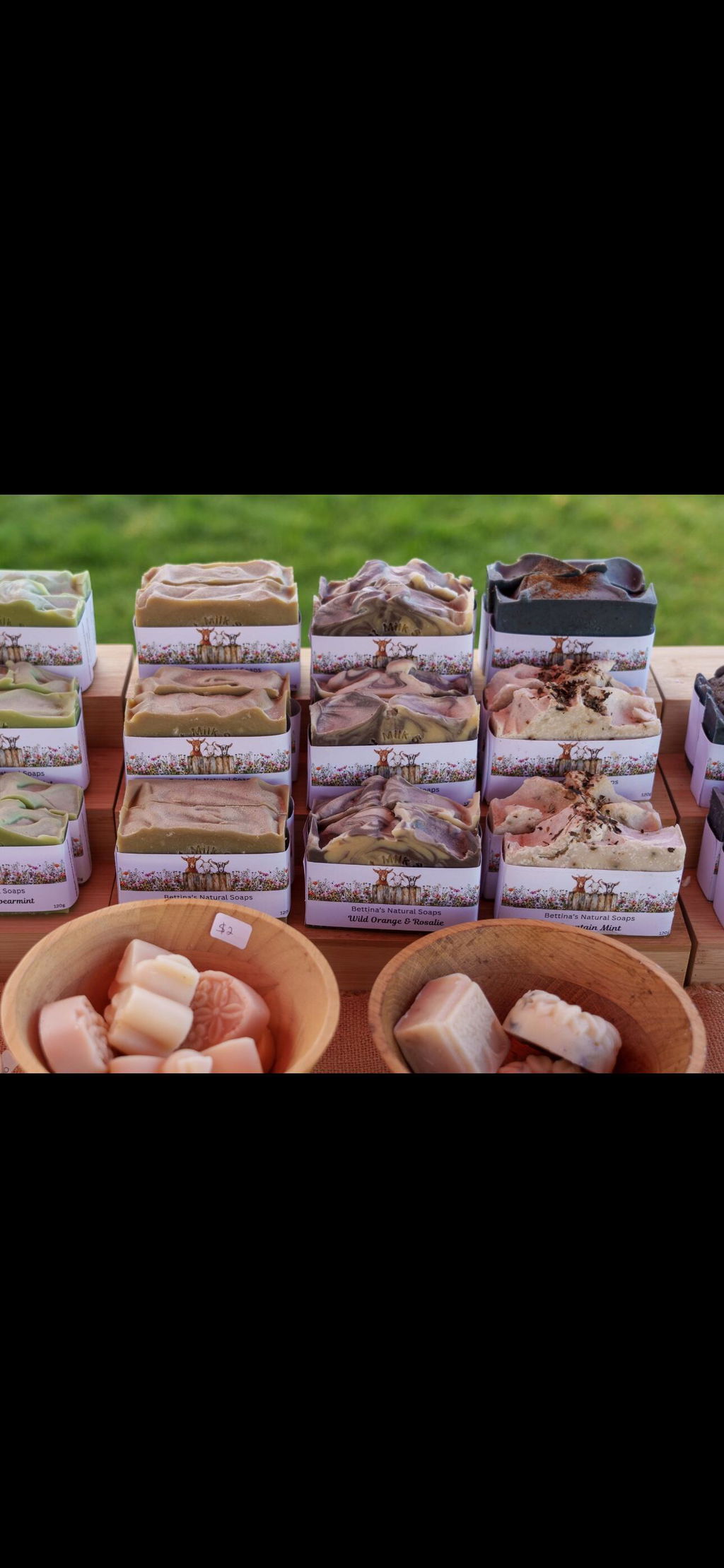
100% Australian Tallow
- 1kg
- 12.5kg
- 3 x 12.5kg
100% Australian Tallow is a premium Refined, Bleached, and Deodorised (RBD) animal fat rendered from the tallow of pasture-raised, Australian beef and sheep. Sourced from regeneratively farmed Australian animals and processed to a neutral scent and consistent white appearance, it is one of the most complete and historically proven ingredients available for cold process soap making, tallow balm formulation, whipped tallow moisturisers, and the growing ancestral skincare movement.
Tallow has been used in soap making and skin care for thousands of years — and for good reason. Of all the fats and oils available to modern formulators, beef tallow has a fatty acid profile that most closely mirrors the composition of human sebum. Approximately 50–55% of human sebum is comprised of saturated and monounsaturated fats in proportions very similar to those found in tallow — oleic acid, palmitic acid, and stearic acid dominate both. This structural similarity is why tallow-based skincare is so exceptionally well tolerated across all skin types, including the most sensitive and reactive.
Our tallow is sourced exclusively from Australian animals — pasture raised, grass fed, and grass finished where possible, from regeneratively managed farms. It is RBD processed for a neutral odour and consistent off-white to white appearance, halal certified, and available in 1kg, 12.5kg, and 3 x 12.5kg bulk quantities for soap makers, skincare formulators, ancestral skincare brands, and food-grade users across Australia.
This is also a food grade fat. For followers of keto, paleo, and carnivore dietary approaches, Australian grass-fed tallow is a highly stable cooking fat with an exceptional fatty acid profile and a high smoke point, free from seed oils and industrial processing.
Product Info
Specs
- INCI Name: Lard (note: while "Lard" is the established INCI name used for tallow in cosmetics per PCPC/INCI guidelines, some formulators use "Beef Tallow" or "Tallow" on consumer labels — check with your compliance advisor for your specific finished product labelling)
- Common Names: Beef Tallow, Rendered Beef Fat, Suet, Dripping, Tallow
- CAS Number: 61789-97-7 (tallow) / 8030-12-4
- Grade: RBD — Refined, Bleached, Deodorised
- Source: 100% Australian pasture-raised beef and sheep tallow
- Certification: Halal Certified
- Origin: Australia — regeneratively farmed
- Appearance: Solid white to off-white fat at room temperature
- Odour: Neutral — characteristic animal fat aroma removed by RBD processing
- Texture: Hard, waxy solid at room temperature; melts at approximately 40–45°C
- Melting Point: 40–45°C
- Comedogenic Rating: 2–3 (low to moderate — generally well tolerated; may not suit all acne-prone facial skin types at high concentrations)
- SAP Value (NaOH / for cold process soap): 0.138
- SAP Value (KOH / for liquid soap): 0.193
- Iodine Value: 33–47 (low — indicates high oxidative stability)
- Saponification Value: 190–202
- Smoke Point (cooking): approximately 250°C — highly stable for high-heat cooking
- Shelf Life: 12–24 months from rendering when stored correctly; the high saturated fat content makes it one of the most oxidatively stable fats available
- Storage: Store in a sealed container in a cool, dry place away from direct sunlight and heat. Refrigerate for long-term storage or in hot Australian climates. Freeze for extended shelf life beyond 12 months
FATTY ACID PROFILE
- Oleic Acid (C18:1 / Omega 9): 40–50% (typical ~45%) — primary skin conditioning fatty acid; mirrors sebum composition
- Palmitic Acid (C16:0): 24–32% — contributes bar hardness, stable lather, and skin barrier support
- Stearic Acid (C18:0): 18–28% — major contributor to bar hardness, stability, and the characteristic creamy dense lather of tallow soap
- Palmitoleic Acid (C16:1): 2–4% — rare in plant oils; found in human sebum; supports skin barrier renewal
- Linoleic Acid (C18:2 / Omega 6): 2–5%
- Conjugated Linoleic Acid (CLA): present (varies by grass-fed sourcing) — anti-inflammatory; higher in grass-fed vs grain-fed animals
- Myristic Acid (C14:0): 2–4%
- Stearidonic and trace polyunsaturated fatty acids: <2%
The defining characteristic of tallow's fatty acid profile is the combination of high oleic, palmitic, and stearic acids — mirroring human sebum more closely than any plant oil. This is what drives tallow's exceptional skin compatibility and why tallow-based balms and soap bars are so frequently recommended for eczema, psoriasis, dry skin, and sensitive skin formulations.
Palmitoleic acid (C16:1) deserves special mention — it is exceptionally rare in plant-derived oils (found in meaningful quantities only in macadamia and sea buckthorn) but is naturally present in tallow. It is a key component of young, healthy skin's sebum and is associated with skin barrier renewal and antimicrobial activity on the skin surface.
RECOMMENDED USAGE RATES
Cold Process Soap
- Tallow: 30–80% of total oil weight
- At 30–50%: excellent conditioning bar with good hardness and creamy lather
- At 50–80%: exceptional bar hardness, longevity, and the classic dense lather associated with traditional tallow soap
- Traditional recipe: 70–80% tallow + 20–30% coconut oil + 5% castor oil — simple, hard, long-lasting, and exceptionally skin-compatible
Hot Process Soap
- Same percentages as cold process — add tallow to oils phase
Tallow Balm (simple)
- Tallow: 70–90% of total formulation
- Beeswax: 5–15% (for texture and hardness)
- Carrier Oil (castor, sweet almond, or jojoba): 5–15%
- Essential Oil: 0.5–2%
Whipped Tallow Moisturiser
- Tallow: 80–100% — whip chilled (not melted) tallow with a stand or hand mixer
- Optional: 5–10% liquid carrier oil added during whipping for lighter texture
- Essential Oil: 1–2% added at end
Body Butter and Lotion Bars
- Tallow: 20–50% blended with other butters and waxes
Lip Balm
- Tallow: 10–30% blended with beeswax and carrier oils
Cooking (food grade)
- Use as a direct substitute for butter, lard, or vegetable oils in any high-heat cooking application
- Ideal for roasting, frying, sautéing — smoke point approximately 250°C
- Suitable for keto, paleo, and carnivore dietary approaches
Benefits
- Fatty acid profile closest to human sebum of any available fat — oleic (40–50%), palmitic (24–32%), and stearic (18–28%) in proportions that mirror skin's own lipid composition for exceptional skin compatibility
- Contains palmitoleic acid (C16:1) — rare in plant oils, naturally present in tallow; associated with skin barrier renewal, antimicrobial activity, and the sebum of young healthy skin
- Rich in fat-soluble vitamins A, D, E, and K — all naturally present in grass-fed animal fat; vitamin A supports skin cell renewal, vitamin D supports barrier function, vitamin E provides antioxidant protection, vitamin K supports skin elasticity
- Contains conjugated linoleic acid (CLA) from grass-fed sourcing — anti-inflammatory properties; CLA content is significantly higher in grass-fed tallow than grain-fed
- Produces outstanding cold process soap — extremely hard, long-lasting bars with a dense, creamy, stable lather that rinses clean; widely considered the gold standard bar base alongside coconut oil
- SAP value of 0.138 (NaOH) — easy to incorporate into any cold process soap recipe using a standard lye calculator
- Exceptionally high oxidative stability due to high saturated fat content — iodine value of 33–47; tallow soap bars and balms have excellent shelf life with minimal dreaded orange spots (DOS)
- Seed-oil-free, chemical-free, and clean label — ideal for ancestral skincare, carnivore, paleo, and keto product ranges targeting consumers avoiding industrial plant seed oils
- RBD processed for neutral odour — complete scent freedom in all formulations
- Halal certified — suitable for halal-compliant products and markets
- 100% Australian sourced from pasture-raised, grass-fed animals on regeneratively managed farms
- Food grade — suitable as a cooking fat for high-heat applications
TALLOW IN ANCESTRAL AND SEED-OIL-FREE SKINCARE
The ancestral skincare movement — closely aligned with carnivore, paleo, and seed-oil-free lifestyle communities — has driven a significant resurgence of tallow-based skincare in Australia and globally. The central premise is that animal fats like tallow, used by humans for millennia before the introduction of industrial seed oils, are more biocompatible with human skin than the polyunsaturated plant oils (sunflower, canola, soybean, grapeseed) that dominate conventional skincare.
The argument has biochemical merit — tallow's fatty acid profile closely mirrors human sebum in ways that no plant oil can match, and the fat-soluble vitamins naturally present in grass-fed tallow (A, D, E, K) are in forms directly bioavailable to skin. For formulators targeting this market, 100% Australian grass-fed RBD tallow is the cornerstone ingredient. It forms the base of whipped tallow moisturisers, tallow balms, tallow face creams, and tallow lip balms — all rapidly growing product categories in the Australian natural beauty space.
Customers searching for tallow skincare are highly engaged, value provenance and Australian sourcing strongly, and are willing to pay premium prices for quality products. Australian-sourced, grass-fed, regeneratively farmed tallow is the highest credential provenance story available in this category.
TYPICAL APPLICATIONS
- Cold process bar soap — primary base fat
- Hot process soap
- Tallow balm — simple 2–3 ingredient formulation
- Whipped tallow moisturiser
- Tallow face cream and body cream
- Tallow lip balm
- Lotion bars and solid body butters
- Ancestral and carnivore skincare formulations
- Seed-oil-free skincare ranges
- Eczema and sensitive skin barrier creams
- Baby skincare formulations
- Cooking fat (keto, paleo, carnivore diets)
- High-heat frying, roasting, and sautéing
Product Safety
- Cosmetic grade fat — safe for direct skin contact in all leave-on and rinse-off formulations
- Food grade — suitable for cooking and culinary applications
- Halal certified
- Animal-derived ingredient — not vegan or vegetarian; disclose appropriately on product labels
- Store sealed in a cool, dry location — refrigerate in hot Australian conditions to prevent rancidity
- Do not use if the fat has developed a rancid or off odour
- Melt gently below 60°C for cosmetic formulations — avoid overheating
- Avoid contact with eyes in melted form; if contact occurs rinse with water
- Keep out of reach of children
- For individuals with severe beef or animal protein allergies — patch test before use; RBD processing significantly reduces but does not eliminate allergenic protein content
Shipping
Collections from Springvale: Please allow 24 hours for all collection in store. If same day pickup is required, please contact us to discuss.
Shipping: We ship Australia Wide
FAQs
Questions
What does RBD mean and why does it matter?
RBD stands for Refined, Bleached, and Deodorised. Raw rendered tallow has a yellow colour and a characteristic beefy animal fat aroma. The RBD process removes colour through bleaching, removes volatile aromatic compounds through steam deodorisation, and filters out impurities through refining — resulting in a consistent white, neutral-smelling fat with predictable quality. For soap making and skincare formulation, RBD tallow is the correct grade — it gives you complete scent freedom, a white or near-white finished product, and consistent SAP values from batch to batch.
What is the SAP value of tallow for cold process soap making?
The NaOH SAP value is 0.138 and the KOH SAP value is 0.193. Enter 0.138 into your lye calculator for cold process (bar) soap. Most lye calculators including SoapCalc already have Tallow or Lard in their databases — confirm the SAP value is 0.138 before finalising your batch. Tallow is an exceptionally predictable soap making fat with consistent saponification behaviour.
What percentage of tallow should I use in cold process soap?
Tallow works across a wide range — from 30% as a supporting fat to 80%+ as the primary base. The classic traditional recipe is 70–75% tallow and 25–30% coconut oil, with 5% castor oil for bubbles. This produces a famously hard, long-lasting bar with a dense creamy lather and exceptional skin feel. At 30–50%, tallow contributes hardness and conditioning while allowing other oils to play a larger role. There is no maximum — some makers formulate at 100% tallow for extremely hard, minimalist bars.
What is whipped tallow and how do I make it?
Whipped tallow is tallow that has been whipped cold (not melted) into a light, fluffy, cream-like texture — similar to whipped butter. To make it: chill solid tallow until very firm but not frozen, cut into chunks, and beat in a stand mixer or with a hand mixer on high speed for 5–10 minutes until light and fluffy. Optionally add 5–10% of a liquid carrier oil (jojoba, castor, or sweet almond) during whipping for a lighter texture, and essential oils at 1–2% at the end. The resulting product melts on contact with skin and absorbs without greasiness. It is the simplest and most popular tallow skincare formulation.
Is tallow suitable for all skin types including acne-prone skin?
Tallow has a comedogenic rating of 2–3, which is low to moderate. Most users — including those with oily and combination skin — find tallow well tolerated due to its sebum-mimicking fatty acid profile. Some acne-prone skin types may find pure tallow too occlusive in leave-on facial formulations — in this case consider diluting with a lower-comedogenic carrier such as jojoba or squalane, or using tallow primarily in bar soap (rinse-off) where comedogenicity is not a concern. The anti-inflammatory CLA and palmitoleic acid in grass-fed tallow are specifically noted by many users with eczema and reactive skin as beneficial.
Why is grass-fed Australian tallow better than grain-fed tallow?
Grass-fed and pasture-raised animals produce fat with a significantly different nutrient profile compared to grain-fed animals. Grass-fed tallow contains higher levels of conjugated linoleic acid (CLA) — an anti-inflammatory fatty acid; higher levels of fat-soluble vitamins A, D, E, and K; and a more favourable omega-3 to omega-6 ratio. It also aligns with regenerative farming practices that have lower environmental impact. For skincare and food use, grass-fed Australian tallow is the premium choice for both performance and provenance.
Is Australian tallow halal certified?
Yes — our Australian Tallow is halal certified, making it suitable for use in halal-compliant cosmetic and food products.
Can I use tallow in baby skincare formulations?
Yes — tallow is one of the most gentle and skin-compatible fats available for baby skincare. Its sebum-like fatty acid profile and fat-soluble vitamin content make it an excellent base for baby barrier creams, nappy balms, and body butters. Use RBD (neutral odour) tallow and always patch test before first use on a baby's skin.
YOU MAY ALSO NEED
- Caustic Soda (Sodium Hydroxide) — essential for cold process tallow soap making
- Castor Oil (Hexane Free) — boosts lather and bubbles in tallow soap recipes; standard addition at 5%
- Beeswax Pellets (Natural) — hardens tallow balm and lotion bar formulations
- Beeswax Pellets (Yellow) — natural beeswax for tallow balm and lip balm with rustic aesthetic
- Essential Oils Collection — scent your tallow balm and whipped tallow creations
- Fragrance Oils — fragrance your tallow soap bars
- Shea Butter (Refined & Organic) — blend with tallow for enriched body butters and conditioning soap bars
- Sweet Almond Oil — lightweight carrier to blend into whipped tallow for a softer skin feel
- A Guide to Soapmaking – Digital PDF — includes tallow soap recipes and formulation guidance for beginners